Highland Wildlife and Birdwatch Safaris, Guided wildlife excursions, Aviemore, Scotland
Highland Wildlife and Birdwatch Safaris, Guided wildlife excursions, Aviemore, Scotland Highland Wildlife and Birdwatch Safaris, Guided wildlife excursions, Aviemore, Scotland

Friday, December 31, 2010


Merry Christmas & a happy & wildlife-filled new year to you all. December 2010 was cold & snowy throughout, with a slight thaw at the end of the month at last allowing access to some of the more remote wildlife-watching areas. Bird day-lists remained in the 40's, with mammal day-lists ranging between 5 & 9 depending on our luck.


Wildlife highlights included:


Most of our 'local specialities' - Dipper, Red Grouse, Black Grouse, Crested Tit, Crossbill, Golden Eagle, Red Squirrel, Red Deer, Mountain Hare, Mountain Goat etc, continued to show well, when the weather permitted.


The very cold weather tempted many 'garden rarities' such as Brambling, Yellowhammer & Bullfinch, as well as huge numbers of more common birds, into 'bird-lovers' well-stocked gardens - & accordingly, Sparrowhawks too, were seen much more frequently!

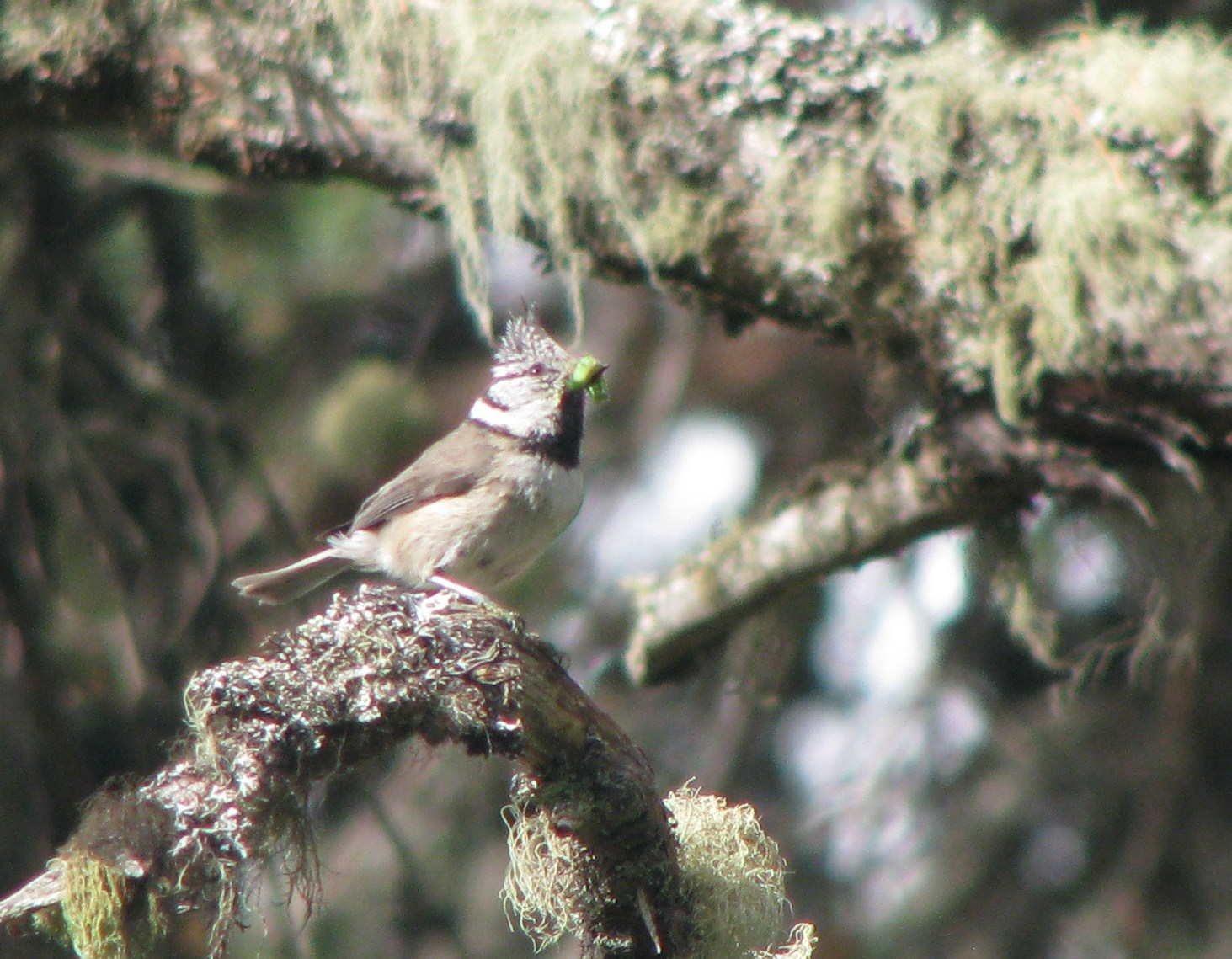
Crested Tits were seen regularly coming to feeders in areas near forests.


Snow Buntings were seen on a few occasions in & around the Cairngorms Ski Area car park.


Wildfowl & seaduck numbers continued to increase round our coastline.


Inland, rarities in our area included a Great Grey Shrike & a Bittern, both around Insh Marshes & both good 'ticks' for this area.


Coastally, rarities in our area included a King Eider & Glaucous & Iceland Gulls, all seen in the Moray area.


A trip down to the South coast of England gave me sightings of bird species never, or rarely seen this far North, such as Green Woodpecker, Nuthatch, Jay, Magpie & Ring-Necked Parakeet!

Tuesday, November 30, 2010


November 2010 started cold, wet & windy &..... deteriorated from there really!, ending with massive snowfalls & temperatures well below zero, which made access to remote areas very difficult. With all the winter visitor birds now here, bird day lists remained at 30-40, with mammal day lists steady at 4-8.


Wildlife highlights included:


Most of the 'local speciality' species (Black grouse, Red Grouse, Dipper, Crested Tit, Crossbill, Goldeneye, Red Squirrel, Red Deer, Mountain Hare, Mountain Goat etc) continued to show regularly - weather permitting!


Good views of Whooper Swans on large local lochs, their mainly yellow bills & much straighter necks making i.d easy.


Close-up sightings (& good photo opportunities for a change!) of Crested Tits coming to bird feeders near suitable forest habitat.


Several decent views of Crossbills in local forests, including a rare opportunity to view one group through the scope for over 10 minutes.


Regular sightings of Golden Eagle in secluded upland glens - this is one species that is actually easier to see in Winter, as they only have a limited number of daylight hours & thermals in which to hunt.


Woodcocks. These normally very elusive crepuscular birds were spotted probing in the leaf litter at dawn & dusk on forest tracks on several occasions.


Black Grouse numbers increased further, with up to 4 males being seen at or near 'lek' sites on local moorlands.


Stoats were spotted eating roadkill on several occasions, their coats now almost totally white except for the black tail tip.


Also now almost totally white are the Mountain Hares, they were very conspicuous & easy to see on the snowless hills, until the snow came, now they are almost invisible! (see pic. courtesy of Greg Morgan)


A first sighting, in this area for me, of a Jay - they, along with Magpies & Nuthatches are very rarely, if ever, seen this far north.

Tuesday, November 02, 2010


October 2010 was changeable weather-wise, starting unseasonably mild with temperatures into double figures, with a few frosts & bit of hill snow mid-month, but ending wet & windy. Autumn is possibly one of the most scenic times of year in this area , with the woods ablaze with beautiful coppers, golds, reds & yellows. Incoming winter birds boosted bird day-list up into the 40's, with mammal day-lists still steady at 5-9 depending on our luck.


Wildlife highlights included:


The Red Deer rut is always an October highlight, with these magnificent 'monarchs of the glen' guarding their 'harems' of hinds, with much roaring & strutting & occasional actual brutal antler to antler contact - awesome stuff - a 'must-see' of British wildlife!


Winter thrushes flooded into our area from further north, first the Redwings, their 'seep-seep' calls overhead betraying their presence, followed soon after by the larger Fieldfares. Not surprisingly, local berry crops were soon depleted!


Waxwings! The end of the month saw a huge influx of these beautiful berry-chomping 'viking invaders' a bird guaranteed to put a smile on your face, with their amazing colour scheme & confiding nature! (see pic)


Other winter visitors noted were good sized flocks of yellow-billed Whooper Swans on local lochs & the first Bramblings on farmland.


Otters were seen on several occasions on local loch & rivers, usually, and most typically, at dawn, though one obviously hadn't read the rule book, and showed well at midday!


Crested Tits began to visit bird feeders at venues near to forests, making it much easier to see them than wandering round a wood searching for them in roving tit flocks!


Golden eagle sightings became more frequent, as the birds now have less available hours of hunting time, with the first dry day after a couple of rainy days being particularly good.


Other 'local specialities' such as Dipper, Black Grouse & Red Grouse were seen regularly, though Capercaillie proved more elusive.

Friday, October 01, 2010


September 2010 started with a warm, summery feel with us continuing to enjoy seeing some of the remaining summer birds, but soon became autumnal, and ended with a taste of winter, with a few frosts and even a little snow on the higher tops as the first winter birds arrived.

Bird 'day-lists' dropped down into the 40's, but mammal 'day-lists' remained steady at 6-9.


Wildlife highlights included:


Early Sept gave us our last sightings of local speciality summer visitors such as Osprey, Black-Throated Diver & Red-Throated Diver, and we also got to see a Hobby - a rare bird this far north - hawking dragonflies, and a number of Lapland Buntings were noted in coastal areas.


Another rarity noted early in the month was a frustratingly short visit by a Black stork - seen by only a few, and sadly, not by myself!


September was one of our best months for Golden Eagle sightings, most birds were juveniles, presumably actively searching for their own territories after being driven away by their parents.


Our resident 'local specialities' such as Dipper, Crested Tit, Crossbill, Black Grouse, Red Grouse, Goldeneye etc continued to show well & delight my safari clients.


Later in the month, early winter visitors in the form of Greylag Geese & Whooper Swans were spotted in the area.


The Red Deer became noticeably more aggressive as the month progressed, with many of the stags 'roaring' & sharpening their antlers on trees & rocks in preparation for the forthcoming rut.


As mid-September is one of the quieter times safari-wise , I took the opportunity to have a trip down to the south of England to see my relatives & friends, and top up my 'year-tick' list with a few' southern specialities' such as Bearded Tit, Woodlark, Yellow Wagtail etc.


Monday, August 30, 2010


August 2010 was a changeable month, with a few sunny, summery days in between the showers, but a noticeably cool autumnal feel towards the end, and with the days shortening, we are definitely approaching the change of season. With many of the summer migrant birds departing, bird day-lists dropped down into the 50's or even 40's, but mammal day-list remained steady at 6-9, and with the heather at it's beautiful purple best & the Rowan trees laden with bright red berries, the countryside is at it's scenic best


Wildlife highlights included:


Our local Osprey youngsters, now almost fully grown, were left to fend for themselves as , first their mothers, and then soon after, their fathers departed for Africa. I was lucky enough, whilst fishing one morning, to see 3 youngsters fishing together under the watchful eye of a parent bird - great stuff!


Our 'local specialities' - Osprey, Black Grouse, Red Grouse, Crested Tit, Crossbill, Black-Throated Diver, Red-Throated Diver (see pic), Red deer, Red Squirrel, Mountain Hare, Mountain Goat etc, continued to show well, and helped many of my clients to add sought-after 'ticks' to their 'wish-lists'.


The mixed 'winter' flocks in the forest grew noticeably larger, with some including over 100 birds of 7 or more species - finding the 'Cresties' amongst the crowd requiring a certain amount of fieldcraft!


Large groups of up to 20 Goosanders were noted on local lochs & rivers - but only females & juveniles - where do all the males go?.....


A few reports of Hobbies hunting dragonflies over quiet local lochs, it's always a treat to see this dashing swift-like raptor, especially when it's such a rare bird this far north.


Friday, July 30, 2010


July 2010 was a very changeable month, weather-wise, with just about every combination of sun, rain, cloud & wind that you could imagine, though with the days still long, it's still a great month for wildlife watching. Bird day-lists topped 60+ species at the start of the month, though they dropped a little at the end as some of our wader species began to depart the area. Mammal day-lists remained strong at 6-9 species depending on our luck.


Wildlife highlights included:


Osprey action! July is 'Osprey month' (see pic) in my opinion, with the early part of the month seeing the adult birds working frantically to feed the ever-growing youngsters as often as possible, making it the best month for seeing the amazing spectacle of Ospreys fishing and delivering fish to the nest. With the added bonus later in the month, of seeing the youngsters perched on the edge of the nest flapping their wings furiously, and then ultimately fledging, making their first ever flights... great stuff!


Another dawn close-encounter with a female Capercaillie, on a forest track, with her happily taking grit quite unperturbed by us sitting quietly close by in my safari vehicle - a great start to the day - making the early start worthwhile.


Our closest ever views - down to 4ft away! - of a family of Crested Tits feeding at our eye level for a good 10 minutes, giving my safari clients the rare opportunity of getting some close-up photos.


Butterflies! July is our best month for butterfly spotting, with all the common species showing well, and our local speciality species such as Mountain Argus being spotted for the first time this year.


The first sunny day after a couple of rainy days giving us the rare & very enjoyable sight of 5 different species of raptor ( Kestrel, Sparrowhawk, Buzzard, Peregrine & Red Kite) all seen from the same spot in a beautiful upland glen in a 20 minute spell - magic!


Most of the 'local speciality' bird species (Dipper, Red & Black-Throated Divers, Slavonian Grebe, Red Grouse, Osprey, Crested Tit, Crossbill etc, all with well-grown young, continued to show well & delight my clients, with the occasional sighting of Capercaillie, Black grouse & Golden Eagle sometimes putting the icing on the cake!

Saturday, July 03, 2010


June 2010 was mainly a warm, dry month - great weather for safaris, and with the days at their longest there was nearly 24 hours available for wildlife watching, for those with the stamina to attempt it! We usually get our biggest bird day-lists in June, with 60+ species a day not uncommon, and with mammal day-lists steady at 6-10 species a day, depending on our luck, my clients invariably went home very happy with what they had seen.


Wildlife highlights included:


Most of our local specialities (Red-Throated Diver, Black-Throated Diver, Osprey, Ring Ouzel, Red Grouse, Goldeneye, Dipper, Crossbill, Crested Tit, Red Squirrel, Red Deer, Mountain Goat, Mountain Hare etc etc) continued to show well, with occasional sightings of other sought after species such as Capercaillie, Black Grouse & Golden Eagle.


Our local Ospreys continued to delight us , with regular sightings of them fishing, delivering fish, & feeding the rapidly growing youngsters.


An incredibly close - less than 6ft away!! - dawn view of a pair of Woodcock in a local forest, giving us a rare chance to admire their incredibly intricate, cryptic plumage.


The fantastic, and very rare!, sight of 3 Golden Eagles in the air together, hunting in a beautiful local upland glen.


The (even rarer!) treat of a dawn sighting of Britain's rarest & difficult to see mammal, the Scottish Wildcat - my first sighting for over 2 years!


The end of the month saw me take a small party to one of my favourite wildlife-watching locations in the whole UK - Mull. An epic 16 hour day saw us on the island by 8am, and by the end of the day, we had enjoyed super views of Otters fishing, Golden Eagles & White-Tailed Sea-Eagles, Red- Throated Divers & many other various sea-birds - a tiring, but very enjoyable day!